CTA welcomes Budget 2026 fleet write-off, border tech funding and CRA compliance push
The Canadian Trucking Alliance says the permanent Productivity Mega Deduction, digital trade and CBSA technology money, and $182.4 million for CRA tax compliance match long-standing industry asks.
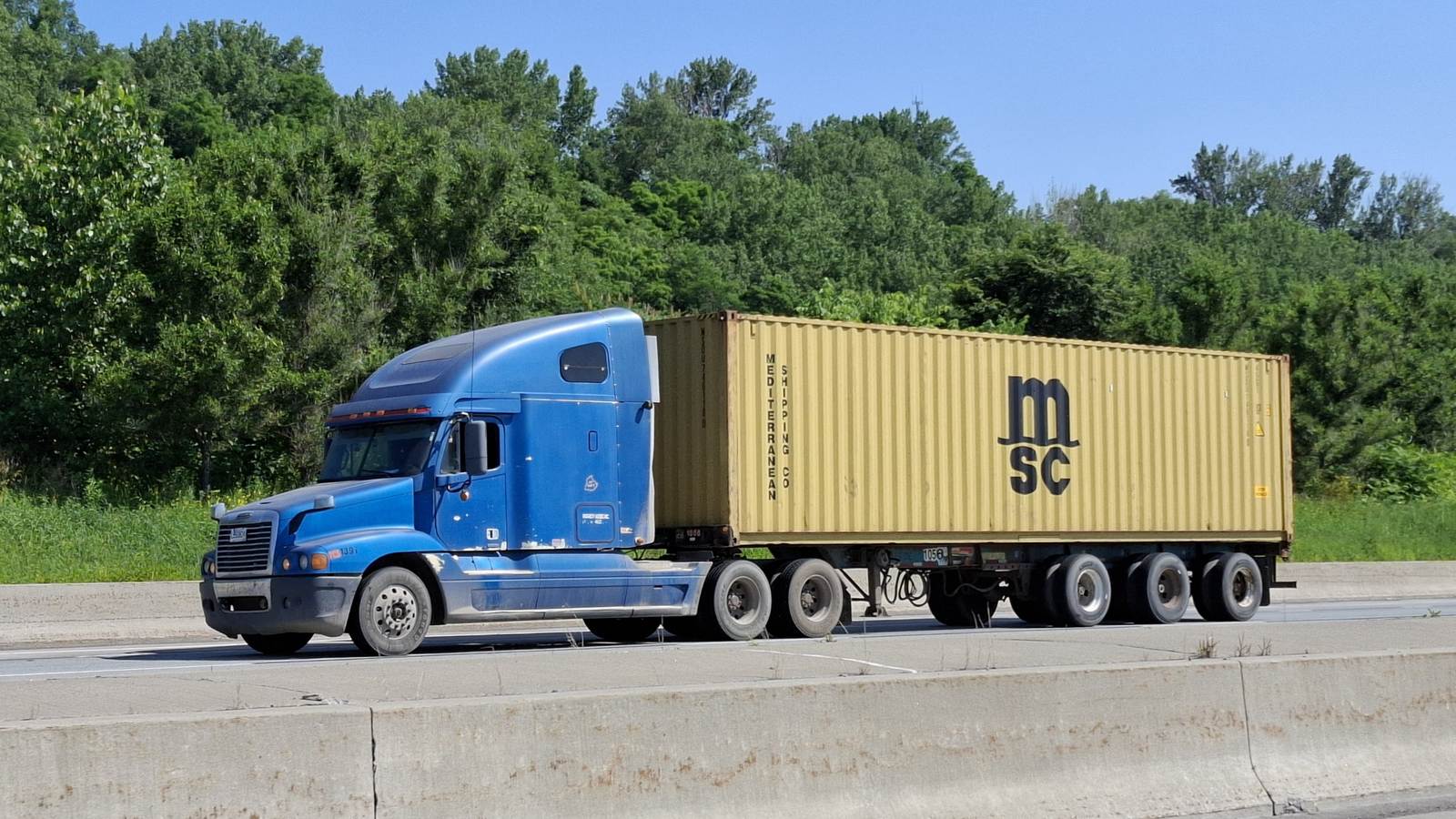
The Canadian Trucking Alliance says Budget 2026, tabled Nov. 5 in the House of Commons, backs fleet investment, digital borders and tougher action on tax non-compliance.
In a Nov. 5 statement, CTA president and CEO Stephen Laskowski said the commercial trucking sector moves freight across borders and connects Canadian businesses to domestic and global markets, and that the budget's focus on business investment and trade infrastructure recognises that supply-chain efficiency affects Canada's competitiveness.
Permanent expensing for trucks
CTA highlights the permanent Productivity Mega Deduction. Budget 2026 Chapter 1 says the measure lets businesses immediately write off the full cost of a broader range of capital assets on a permanent basis, covering more than 65% of investment. The chapter lists heavy freight trucks among illustrative transportation assets.
The budget text says the deduction lowers Canada's marginal effective tax rate on new business investment from 13% to 6.4%, the lowest in the G7. CTA notes the official budgetary text identifies commercial freight trucks and specialised logistics technologies among primary examples of qualifying equipment, and that the deduction applies permanently to eligible investments acquired on or after Sept. 15, 2026.
Digital trade and the border
CTA also backs dedicated funding to modernise trade systems and border technology. Budget Chapter 2 proposes $55.3 million over two years, starting in 2026-27, to Transport Canada to advance digital trade processes, update legislation and regulations, test digital tools and help businesses adopt them.
CTA says it was recently appointed to the federal Trade Digitalization Task Force with Transport Canada, the Canada Border Services Agency and other supply-chain stakeholders. CTA director of policy and industry awareness programs Lak Shoan said a modern, digitised and resilient border is vital to preventing commercial gridlock.
The Alliance also notes Budget 2026 funding for CBSA border technology modernisation and stabilisation, which it says can improve reliability at land-border crossings.
Driver Inc. and CRA compliance
CTA links the budget to Bill C-39's enforcement approach against worker misclassification and says it continues to prioritise ending the "Driver Inc." model, in which employees are improperly structured as independent corporations.
According to CTA, Budget 2026 proposes $182.4 million over four years to the Canada Revenue Agency to strengthen tax compliance investigations and collaborative inter-agency work against illicit revenue streams. Laskowski called that funding a crucial component of the budget.
Fuel excise schedule confirmed
CTA notes the budget confirms the temporary federal fuel excise tax suspension on diesel of up to four cents per litre. Budget Chapter 3 says the full suspension runs until Jan. 31, 2027, then rates move to 50% of pre-suspension levels through March 2027 before standard rates resume April 1, 2027.
CTA says the temporary relief has helped with cost pressure but that carriers still face high equipment costs, trade headwinds and a soft freight market.
The Alliance says it will keep working with Ottawa and provincial trucking associations on labour compliance, trade corridor infrastructure and conditions for compliant carriers to invest and compete.