Ottawa and Ontario put $250 million into a new Sault Ste. Marie port with a rail transload yard
The Hamilton-Oshawa Port Authority will build two Seaway-draft berths on the St. Marys River. Transport Canada says the port should cut truck traffic on regional highways.
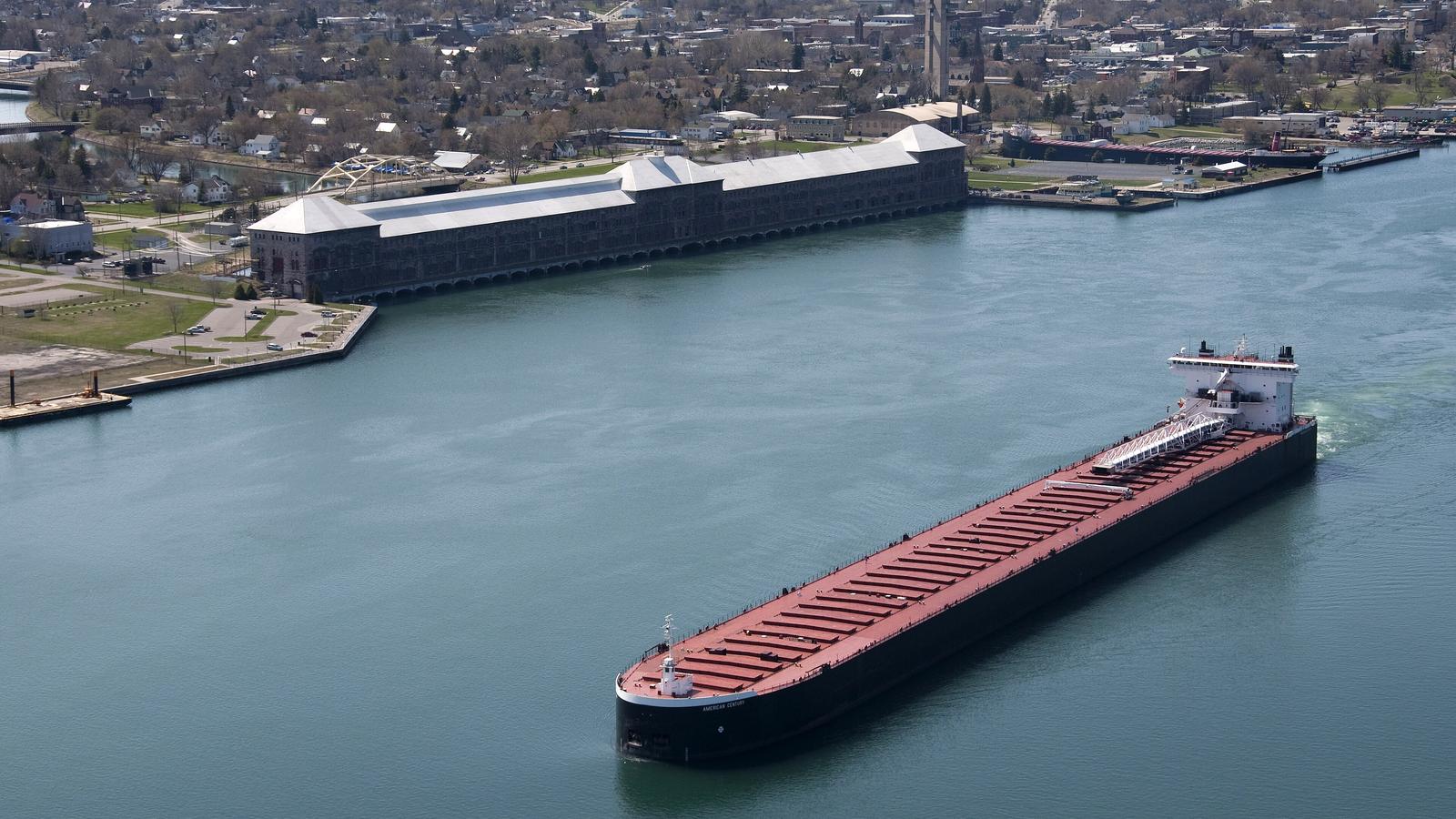
The federal and Ontario governments are putting $250 million into a new port in Sault Ste. Marie, to be built and run by the Hamilton-Oshawa Port Authority (HOPA).
Ontario's share is $125 million, as a repayable loan. Ottawa's share is up to $125 million from the Trade Diversification Corridors Fund, the $5 billion program introduced in Budget 2025. Both governments announced the money on Nov. 20.
What gets built
According to Transport Canada, the project includes:
- A new multimodal port on the north shore of the St. Marys River
- About 243 acres of industrial and brownfield land for port and logistics use (Ontario puts it at about 98 hectares)
- Two Seaway-draft marine berths
- A rail transload yard
- Roads, utilities, storage and laydown areas, and tenant-ready industrial lots
Transport Canada calls it the region's first public, multi-user marine port between Thunder Bay and Southern Ontario.
Why it matters for trucking
Transport Canada lists "reducing truck traffic on regional highways" among the project's goals, along with new routing options for exporters and a longer shipping season. Expected cargo includes farm products, mining and critical minerals, forest products and manufactured goods, headed to markets in Canada and overseas, including Europe.
That puts more freight on water and rail for the long haul, with trucks feeding the port and the transload yard.
Capacity and timing
The two releases use different capacity figures:
- Ontario says cargo capacity would rise from 627,400 tonnes to 2.4 million tonnes when the port is fully operational.
- Transport Canada says capacity would reach more than 3.5 million tonnes a year by 2031, three times current volumes.
Ontario expects substantial completion in 2031. The province says construction will support 700 direct and 460 indirect jobs a year, and that the port will support 2,150 direct and 2,120 indirect jobs a year across the province. Transport Canada puts it at 2,150 direct and 2,600 indirect jobs.
Tariffs in the background
Ontario says about 96% of its wood product exports now go to the United States, and that the port is meant to open routes to the United Kingdom and Europe. HOPA has committed to give priority to Canadian materials during construction, the province says.
Federal Transport Minister Steven MacKinnon, Premier Doug Ford and Ontario Transportation Minister Prabmeet Sarkaria were all quoted in the releases. HOPA president and CEO Ian Hamilton said the port had drawn interest from potential users.