StatCan: $86.6 billion of municipal roads are in poor or very poor shape
Canada's latest infrastructure survey says local road condition improved slightly since 2022. Still, 18% of municipal road value is rated poor or worse.
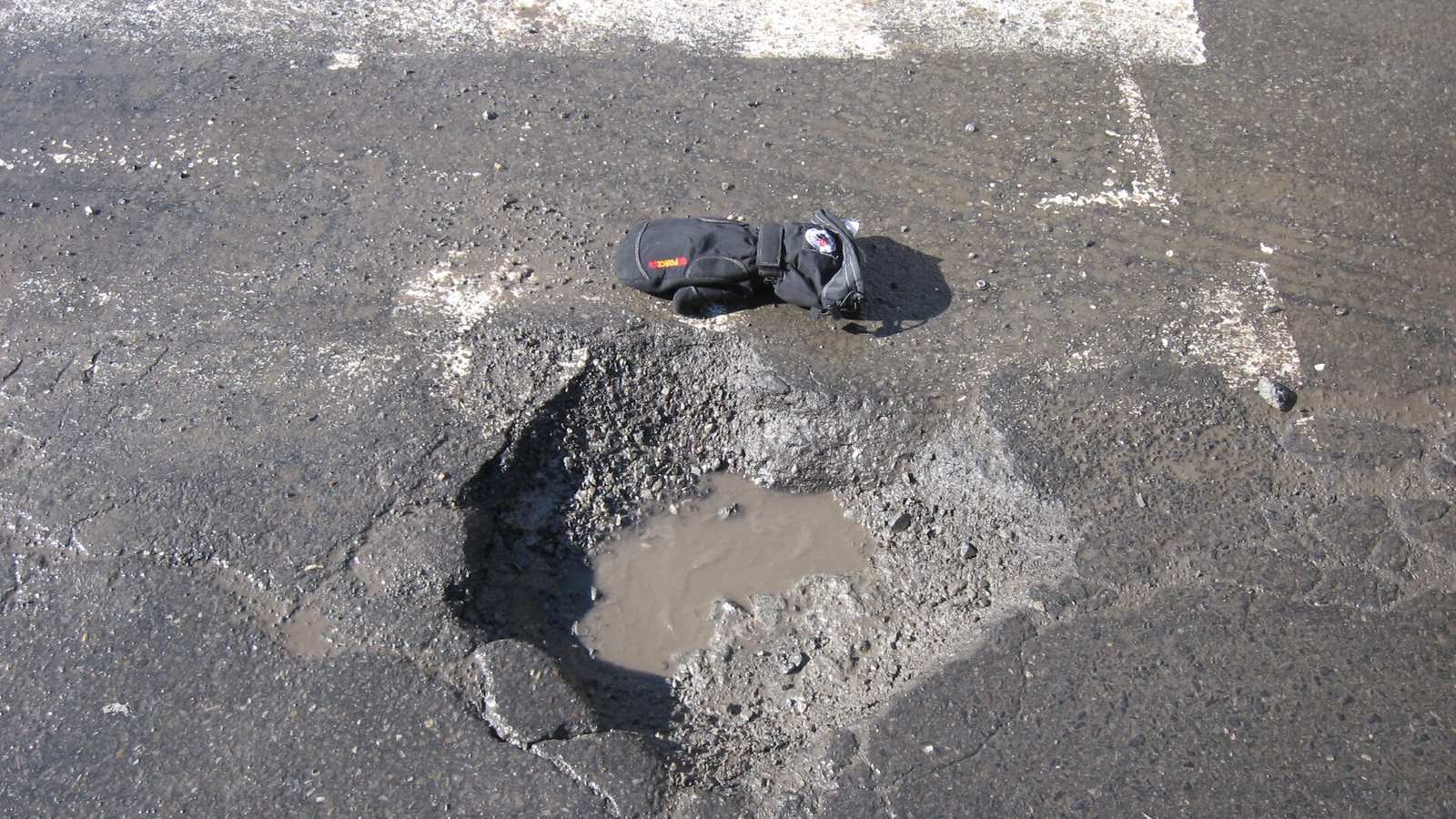
Municipal roads carry the biggest repair bill of any public asset in Canada.
Statistics Canada said on Oct. 30 that municipal roads have the highest replacement value of any asset rated in poor or very poor condition: $86.6 billion. The numbers come from Canada's Core Public Infrastructure Survey for 2024.
The road numbers
The survey breaks down road condition by share of replacement value. For municipal roads in 2024, StatCan's condition table shows:
- Very good: 17%
- Good: 34%
- Fair: 27%
- Poor: 13%
- Very poor: 5%
- Unknown: 4%
That puts 18% of municipal road value in poor or very poor shape. StatCan said road condition improved slightly in 2024 compared with 2022.
Municipal bridges and tunnels look better. Only 7% of their value is rated poor and 2% very poor. Almost half, 48%, is rated good.
Who owns the roads
Canada had 834,929 km of roads at the end of 2024, measured in two-lane equivalents, according to StatCan's inventory table. Local and regional governments own 589,560 km of that. Provinces and territories own 241,640 km. The federal government owns 3,729 km.
The same pattern holds for structures. Of 65,391 road bridges and tunnels, 34,001 belong to local and regional governments and 30,618 to provinces and territories.
The bigger picture
Local and regional governments were responsible for more than $2.0 trillion of core public infrastructure at the end of 2024, StatCan said. Water, wastewater and stormwater systems make up 52% of that value. Roads, bridges and tunnels make up 30%.
Water systems are going the other way from roads. Assets in poor or very poor condition were worth $124.3 billion, or 14% of their value. That is up three percentage points from 2022.
For carriers, the ownership split matters. About 71% of Canada's road kilometres belong to local and regional governments, so most repair decisions sit with municipal budgets.